Why Bumper Plates Are Essential in Mixed Strength Rooms
✔️ Noise & Vibration Control
Unlike cast iron plates, bumper plates are engineered to absorb shock, reducing clanging and protecting flooring systems.
✔️ Safety & Versatility
They allow safe drops from overhead lifts, making them a must-have for gyms that serve both casual members and athletes.
Step 1 — Bounce Profiles & Material Types
🔹 Standard Rubber Bumper Plates
Affordable, widely available, and designed with moderate bounce.
🔹 Training Bumper Plates
Engineered with higher density to reduce bounce, minimizing risks of plates rebounding dangerously.
🔹 Competition Bumper Plates
Calibrated to ±10 grams with low-bounce urethane or composite rubber for professional use.
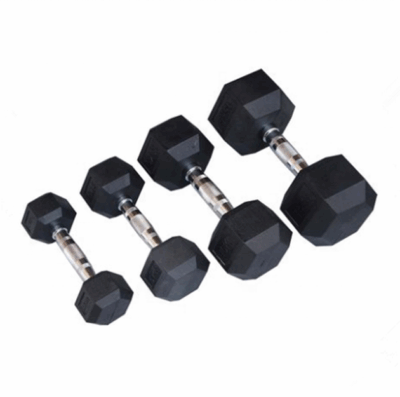
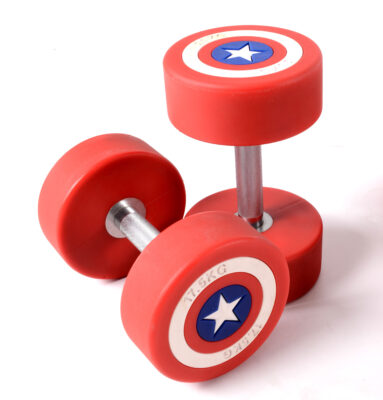
Working with proven Dumbbell Manufacturers helps buyers align bumper plate specifications with existing barbell and dumbbell ecosystems.
Step 2 — Noise Control in Shared Spaces
📌 Material Density
Dense rubber compounds absorb more impact energy, reducing decibels during drops.
📌 Flooring Systems
Pairing bumper plates with 20–30 mm rubber tiles or lifting platforms significantly lowers vibration transmission to building structures.
📌 Gym Type Consideration
Residential / Hotel Gyms: Prioritize low-bounce, low-noise plates.
CrossFit Boxes: High durability plates that withstand repeated overhead drops.
Top Bumper Plate Manufacturers provide data on decibel reduction and bounce levels, allowing procurement teams to make data-driven decisions.
Step 3 — Floor Protection Strategies
✔️ Rubber Mats
Protect subfloor from cracks and chips while reducing noise.
✔️ Lifting Platforms
Ideal for dedicated Olympic lifting zones, offering shock absorption and noise dampening.
✔️ Plate Edge Design
Rounded edges prevent chipping of both plates and floors on angled impacts.
Step 4 — Branding & Aesthetic Options
🎨 Color-Coded Plates
Align with IWF standards for easy identification:
Green = 10 kg
Yellow = 15 kg
Blue = 20 kg
Red = 25 kg
🎨 Custom Pantone Colors
Boutique gyms can order branded colors for premium differentiation.
🎨 Logo Integration
Urethane plates allow embedded or printed logos that resist wear from repeated drops.
Step 5 — Procurement & Logistics Considerations
📦 MOQ (Minimum Order Quantity)
Bumper plates usually start from 2–5 tons per order, depending on weight range.
📦 Lead Times
Rubber plates: 30–40 days.
Competition urethane plates: 45–60 days due to extended curing and calibration.
📦 Packaging & Freight
Plates are heavy and dense; palletized shipments with protective separators prevent coating damage in transit.
Step 6 — Safety & Compliance Testing
✅ Drop Testing – Ensures plates survive thousands of overhead drops without cracking.
✅ Shore Hardness Testing – Confirms rubber density meets bounce and durability specs.
✅ REACH & RoHS Compliance – Guarantees coatings are safe for global markets.
Final Thoughts for Buyers
Bumper plates are more than accessories—they define the usability and safety of a strength room. The right combination of material density, bounce profile, and floor integration ensures a safe, quiet, and durable lifting environment.
By sourcing from trusted Dumbbell Manufacturers and specialized Bumper Plate Manufacturers, procurement managers can equip gyms, hotels, and institutional projects with reliable, branded, and performance-tested solutions.